
Pool Fencing
Code-compliant pool fencing that keeps your family safe while enhancing your backyard pool area.
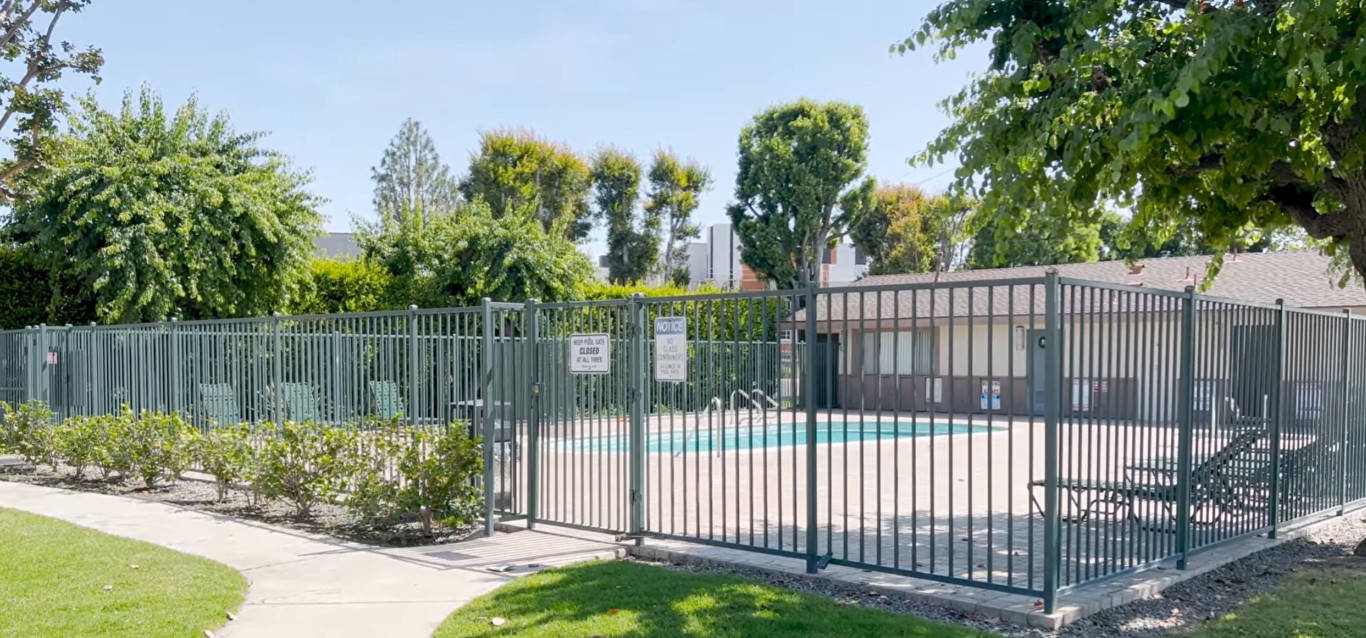
Why Pool Fencing Is Essential
Pool fencing is not just a good idea, it is required by law in most areas. Building codes mandate barriers around residential pools to prevent unsupervised access by young children. These regulations exist because drowning is a leading cause of accidental death for children under five. A proper pool fence with a self-closing, self-latching gate creates a critical layer of protection.
Beyond legal requirements, pool fencing provides peace of mind. You can relax knowing your children, grandchildren, or visiting kids cannot wander into the pool area unsupervised. Pool fences also keep pets away from the water when you are not around to watch them. The fence defines your pool area and keeps the space organized. It can even reduce insurance costs since many companies offer lower rates for properly fenced pools.
At Elite Alexander City Fencing, we specialize in pool fencing that meets all safety requirements while looking great in your backyard. We understand Alabama pool safety regulations and ensure your fence complies with all applicable codes. We handle permit applications when required. Our installation work follows best practices for pool fence safety and durability. Your pool fence protects your family while enhancing your Alexander City property.
Pool Safety Code Requirements
Height and Gap Specifications
Most pool safety codes require fencing at least four feet tall measured from the ground. Some jurisdictions require five feet or taller. The fence must not have gaps or openings larger than four inches in any direction. This prevents small children from squeezing through or getting stuck. Horizontal rails must be on the pool side of the fence or spaced far enough apart that they cannot be easily climbed.
The fence must completely enclose the pool area with no gaps where someone could slip through. If your house forms one side of the barrier, doors leading to the pool must have alarms or be kept locked. The fence should be located at least three feet from the pool edge when possible. This setback provides space for furniture and circulation around the pool. We design your pool fence layout to meet code requirements while maximizing usable deck space.
Gate Requirements
Pool fence gates must be self-closing and self-latching. This means the gate automatically swings closed and latches securely every time it is opened. The latch must be located at least 54 inches above the ground or on the pool side of the gate where young children cannot reach it from outside. These requirements ensure the gate cannot be left open accidentally and cannot be easily opened by unsupervised children.
We install commercial-grade gate hardware specifically designed for pool applications:
- Self-closing hinges with adjustable tension that pull the gate shut
- Magnetic latches that engage positively every time the gate closes
- Keyed locks for added security when the pool is not in use
- Alarms that sound if the gate is opened, providing an extra alert
Proper gate installation and adjustment is crucial for safety. We ensure your pool gates close and latch reliably every time. We test the hardware thoroughly and show you how it works. We also provide guidance on maintenance to keep gates functioning properly over time.
Pool Fence Material Options
Several fencing materials work well for pool applications. Aluminum is the most popular choice due to its combination of durability, appearance, and low maintenance. Aluminum never rusts, even in the wet environment around pools. The open picket design allows supervision of the pool area while meeting code requirements. Black or bronze aluminum looks elegant and hides water spots better than lighter colors.
Vinyl fencing is another excellent option for pools. Solid vinyl panels provide privacy for your pool area, creating a secluded retreat. Vinyl resists chlorine and pool chemicals that can damage other materials. It never needs painting and cleans easily. White vinyl stays cooler to the touch than dark aluminum on sunny days. Both aluminum and vinyl can be configured to meet all pool safety codes.
Some homeowners choose to match their pool fence to their main property fence for a cohesive look. Others use different materials that better suit the pool environment. We help you evaluate the pros and cons of each material for your specific situation. Factors to consider include budget, desired appearance, privacy needs, and existing landscaping. We design a pool fence solution that keeps your family safe while fitting naturally into your backyard.